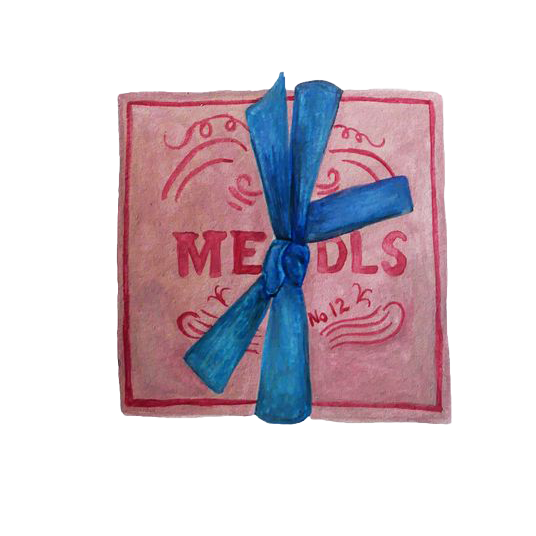
For Wes Anderson, text is nevery just merely "functional". It is a central pillar of his "symbolic storyworld". Typography acts as both a diegetic anchor, grounding characters in a tactile reality, and a paratextual voice, guiding the audience's interpretation of the film as a curated object

Characters exist in environments where everything is named. Luggage is labeled. Stationery is branded. This ubiquity reflects a psychological need for control.
The screen is treated like a page. Whip pans mimic eye movement scanning a headline. Graphic props—books, maps, menus—demand to be read, not just viewed.